
What Does a CNA Do in Hospice?

Certified Nursing Assistants (CNAs) are often the caregivers who spend the most time with hospice patients. During Certified Nursing Assistant Week, we want to recognize the incredible work CNAs do every day to provide comfort, dignity, and compassionate care to patients and families navigating the end-of-life journey.
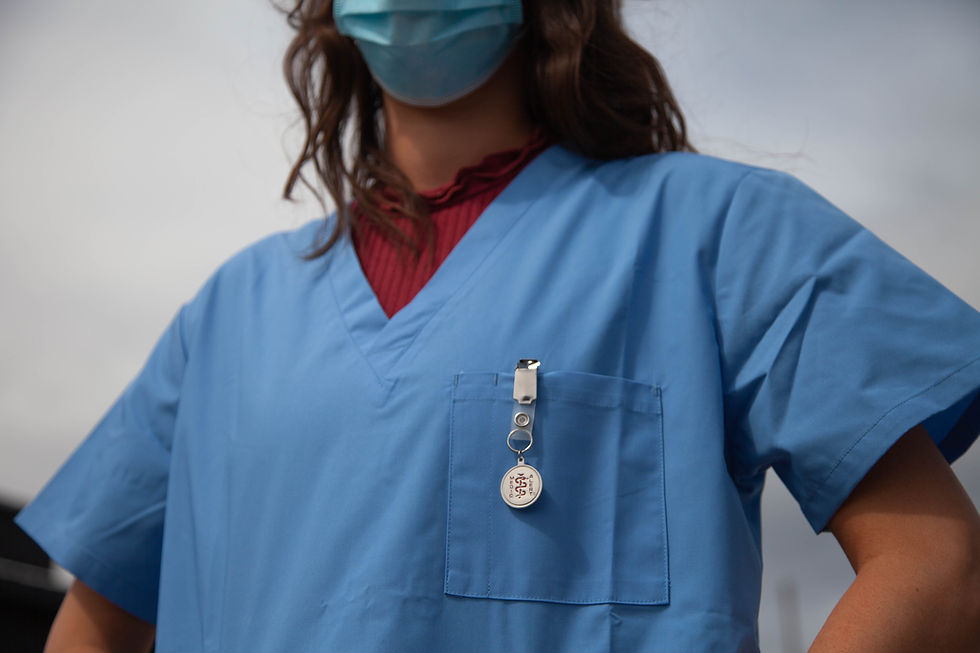
Whether care is provided in a patient's home, a long-term care facility, or a residential hospice setting like the Hospice of the Fisher Home, CNAs are an essential part of the hospice team.
If you've ever wondered what a CNA does in hospice, how they differ from nurses, or whether hospice CNAs provide medical care, you're definitely not alone. These are some of the most commonly asked questions about hospice caregiving.
What Is a CNA?
A Certified Nursing Assistant (CNA) is a trained healthcare professional who provides hands-on care and support to patients. They work under the supervision of registered nurses and other healthcare professionals to help patients with daily activities and maintain their comfort.
In hospice care, a CNA's role extends far beyond physical assistance. They often become trusted companions, offering reassurance, emotional support, and a familiar presence during this meaningful time.
What Does a CNA Do in Hospice?
One of the most common questions people ask is:
"What does a hospice CNA actually do on the day-to-day?"
Hospice CNAs focus on comfort and quality of life for patients rather than curative treatment. Their responsibilities often include:
Assisting with bathing and personal hygiene
Helping patients get dressed
Changing bed linens and maintaining a clean environment
Assisting with toileting and incontinence care
Repositioning patients for comfort
Monitoring changes in a patient's condition and reporting them to the nursing team
Providing companionship and emotional support
Supporting family caregivers with practical caregiving tasks
While these tasks may sound simple, they can make an enormous difference in a patient's comfort, dignity, and sense of well-being. They also help take things off of the plate of family caregivers, so they can spend more quality time with their loved one. Hospice care prioritizes quality of life, and CNAs play a critical role in making that possible.
What Is the Difference Between a CNA and a Hospice Nurse?
Another frequently asked question is:
"Is a CNA the same as a nurse?"
No. While both are important members of the hospice care team, their roles differ.
Hospice nurses manage medications, assess symptoms, coordinate care plans, and communicate with physicians. CNAs provide direct personal care and often spend extended one-on-one time with patients.
Think of it this way:
Hospice Nurses manage medical care.
Hospice CNAs provide hands-on daily support and comfort.
Together, they ensure patients receive the holistic, compassionate care that embodies hospice.
Why Are CNAs So Important in Hospice?
Hospice care is about more than medical treatment. It's about helping people live as comfortably and meaningfully as possible during the final chapter of life.
Because CNAs often visit regularly and assist with intimate daily tasks, they frequently develop strong relationships with patients and families. They notice subtle changes, celebrate small moments, and provide comfort during difficult days.
Many families remember the kindness of a CNA long after their hospice journey has ended.
Do Hospice CNAs Provide Emotional Support?
Absolutely! While CNAs are trained healthcare professionals, they are also compassionate listeners and trusted companions.
Sometimes support looks like helping someone take a shower safely. Other times, it looks like sitting quietly with a patient, listening to stories, holding a hand, or sharing a moment of laughter.
Hospice care addresses physical, emotional, and spiritual needs, and CNAs are often at the center of that holistic approach.
What Qualities Make a Great Hospice CNA?
Hospice CNAs possess a unique combination of skills and personal qualities, including:
Compassion
Patience
Empathy
Strong communication skills
Attention to detail
Emotional resilience
Respect for each patient's wishes and dignity
Above all, great hospice CNAs understand that every patient deserves to be treated with kindness, respect, and dignity.
What Does a CNA Do at the Hospice of the Fisher Home?
At the Hospice of the Fisher Home, our CNAs are an integral part of both our residential hospice and community-based hospice programs.
They work closely with nurses, social workers, volunteers, bereavement counselors, and other team members to ensure patients receive exceptional care tailored to their individual needs.
Whether helping a patient settle comfortably into bed, assisting with personal care, or simply offering a reassuring presence, our CNAs embody the compassion that defines hospice care.
If you are in the Western Massachusetts area and have a loved one who requires hospice care, Hospice of the Fisher Home provides both in-residence or at-home (or wherever you reside) care through our community program. Contact us to find out more.
Keep up to date with Hospice of the Fisher Home by joining our mailing list or following us on Facebook and Instagram!


Comments